
How Much Does It Cost to Furnish a Dorm Room?
Furnishing a standard dorm room typically costs $300 to $600 if you’re starting from scratch with new items. A bare-bones setup runs around $200, while a fully loaded room with premium bedding, storage, and small appliances can push past $800. The exact number depends on your school’s bed size (Twin XL is standard), whether you split costs with a roommate, and how much you’re willing to buy used.
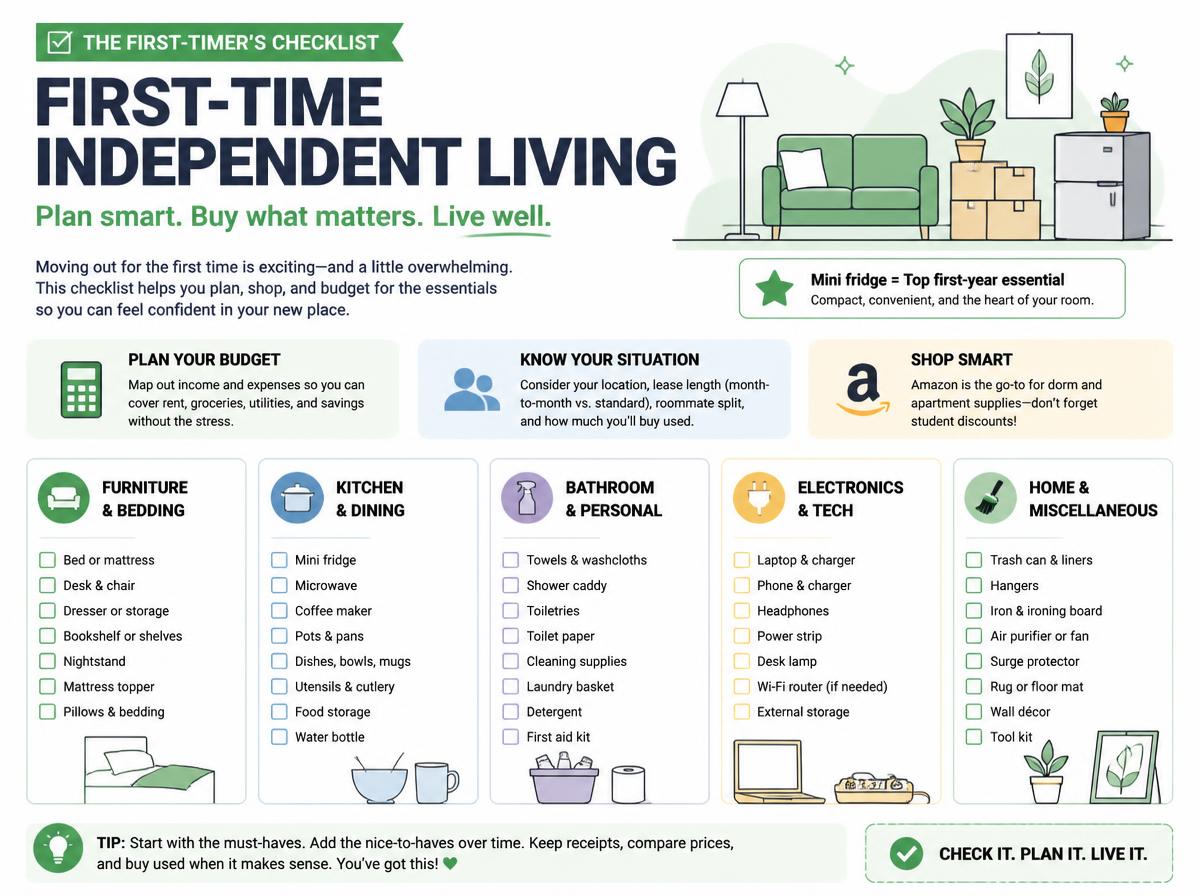
Here’s where that money actually goes, plus the mistakes that quietly inflate the bill.
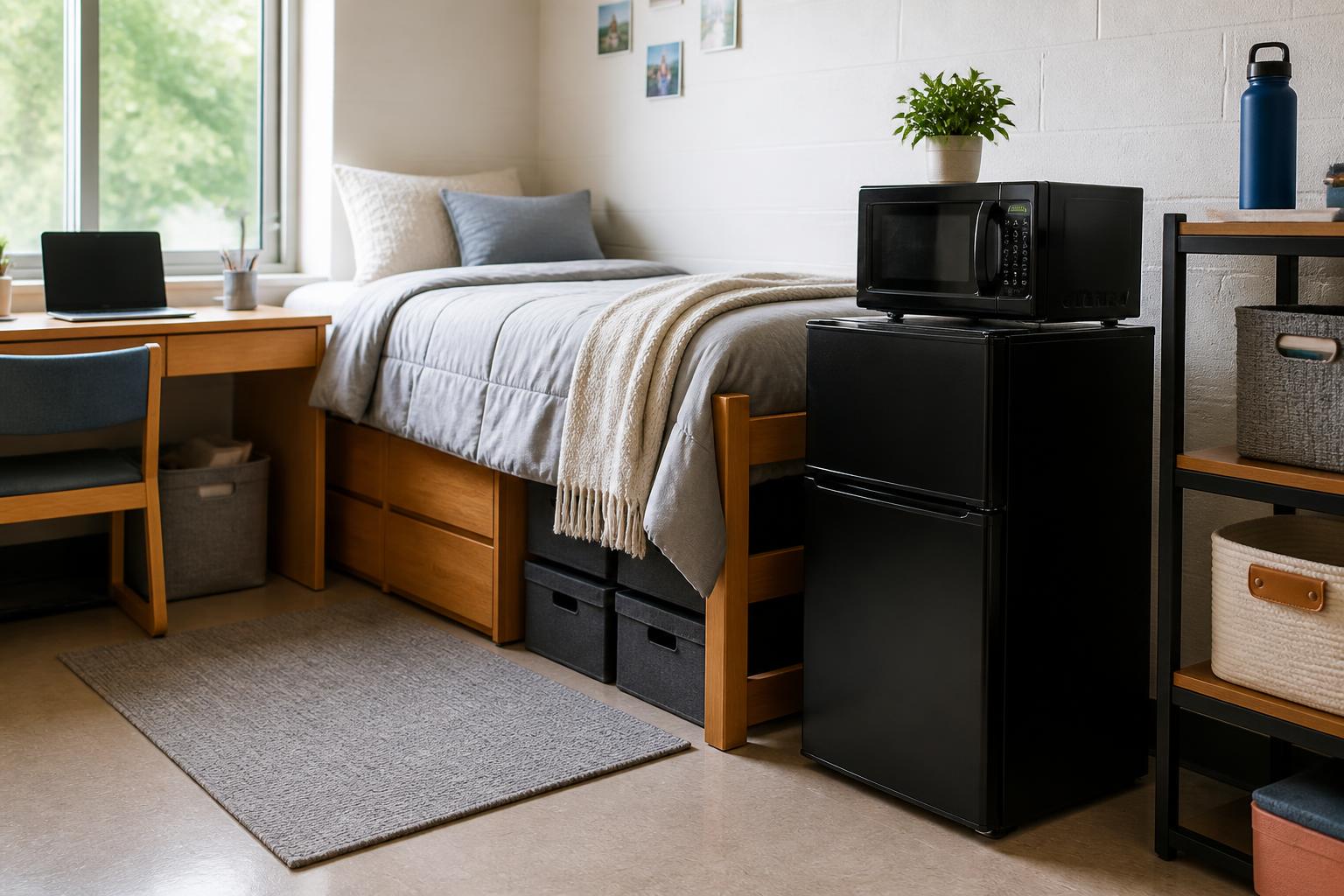
The Realistic Budget Breakdown
| Category | Budget Range | What You’re Paying For |
|---|---|---|
| Bedding (sheets, comforter, pillows, mattress topper) | $60–$150 | Twin XL sheets are non-negotiable; topper saves your back |
| Storage (caddies, bins, under-bed boxes) | $30–$80 | Closet space is always smaller than you think |
| Desk & lighting (lamp, desk organizer, chair cushion) | $25–$70 | Dorm desks are functional but not comfortable |
| Bathroom & laundry (shower caddy, towels, hamper) | $40–$90 | Shared bathrooms require carrying your stuff |
| Small appliances (microwave, mini fridge, kettle) | $50–$200 | Check what’s already in the common room first |
| Decor & misc (rug, command strips, mirror) | $30–$100 | Command strips are the glue holding dorm life together |
The single biggest line item is bedding. A decent Twin XL mattress topper alone runs $25–$50, and you’ll feel the difference every single night. Skimping here to save $20 is a mistake you’ll regret by week two.
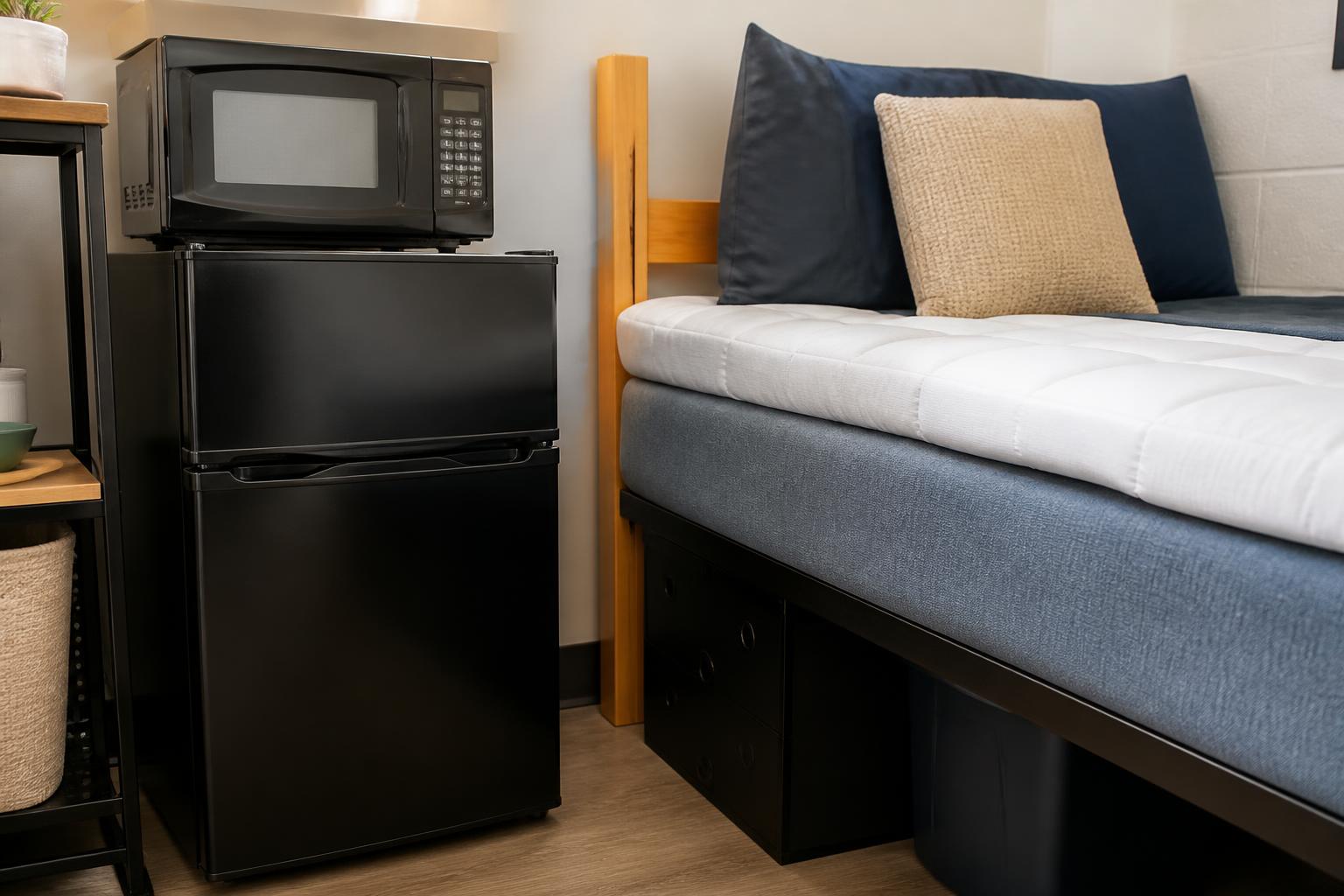
What this means for your first order: If your total budget is $300, plan to spend roughly a third of it on bedding before you buy anything else. That’s not a splurge — it’s the difference between sleeping okay and sleeping badly for eight months. If you have to cut somewhere, cut decor and extra storage first, not the mattress topper.
Where You Can Cut Costs Without Suffering
Buy used for furniture-like items. Desk chairs, floor lamps, and storage bins are everywhere on Facebook Marketplace and campus buy/sell groups in August. Students graduating in May are practically giving away items they don’t want to move home. A $15 used lamp works exactly like a $40 new one.
Split the mini fridge with your roommate. A full-size dorm fridge costs $80–$150. Splitting it with your roommate cuts your share to $40–$75, and you both get the same cold drinks. Just agree on shelf space before move-in day.
Skip the microwave if there’s a common room. Many dorms have a shared microwave in the lounge. If yours does, you can skip the $50–$100 purchase entirely. If you do want one, a compact 0.7 cubic foot model like the Nostalgia Countertop Microwave Oven at $109.99 fits on a shelf and handles ramen, leftovers, and mug cakes without taking over your limited counter space.
Wait on decor. You don’t know what your room actually looks like until you’re standing in it. The wall color, the light, and the layout all change what works. Move in first, live in the space for two weeks, then buy the rug and wall art. You’ll make better choices and avoid buying things that don’t fit.
The trade-off to watch: Buying used saves money but costs time. You’ll need to coordinate pickup times, deal with sellers who ghost you, and potentially carry a lamp across campus. If your move-in weekend is packed with orientation events, budget a specific 2-hour window for pickup runs — or accept that paying full price for a few items is the convenience fee for your sanity.
The Mistakes That Inflate Your Total
Buying Twin sheets instead of Twin XL. Standard Twin sheets are cheaper and more common, but most dorm beds are Twin XL — about 5 inches longer. Regular Twin sheets won’t fit properly, and you’ll wake up with the fitted sheet popping off the corner every night. Check your school’s housing page for the exact mattress size before buying anything. The Bare Home Sheet Set at $29.06 comes in Twin XL specifically, and includes a flat sheet, fitted sheet, and two pillowcases — so you don’t have to hunt for matching pieces.
How to verify before you buy: Open your school’s housing portal and find the “room features” or “what’s provided” page for your specific dorm building. It will list the mattress size. If it doesn’t, email housing directly — a 30-second question saves you a $30 mistake. You can also measure the mattress once you’re in the room, but that’s too late for online orders.
Buying everything before checking the room inventory. Most dorms provide a bed, desk, chair, dresser, and closet. Some provide a trash can, mirror, or even a mini fridge. Read the “what’s included” list from your housing office before you buy anything. Students routinely buy a second trash can or a mirror that was already bolted to the wall.
Forgetting the shower caddy. You will carry your shampoo, soap, and razor to a shared bathroom multiple times a day. A YASONIC Shower Caddy Adhesive set at $19.99 gives you six adhesive shelves and hooks that mount without drilling — useful for keeping your stuff off the wet floor and organized in a tiny bathroom. The adhesive pads are rated for 40 pounds, which is plenty for toiletries and a soap holder.
The limitation to know: Adhesive caddies need a smooth, dry surface to stick. If your dorm bathroom has textured tile or constantly wet walls from steam, the pads may peel off within weeks. Check the shower wall material on your first bathroom visit before committing to adhesive mounts — if the surface feels rough or uneven, get a caddy that hangs over the showerhead or door instead.
Buying a printer. Campus printing is usually free or a few cents per page, and you don’t want to maintain a printer in a cramped room. Skip it unless you have a specific class that requires frequent printing.
Ignoring the “wait until after move-in” rule for storage. You don’t know how much closet space you actually have until you see it. Buy one or two under-bed bins if you need them, but don’t pre-purchase a full storage system. Half of it won’t fit where you planned.
The $200 Bare-Minimum Setup
If you’re on a tight budget, here’s the minimum viable dorm room:
- Twin XL sheet set: $30
- Mattress topper: $25
- Pillow: $10
- One towel and washcloth: $15
- Shower caddy and toiletries: $20
- Desk lamp: $15
- Command strips and basic hooks: $10
- Trash can (if not provided): $10
- Laundry hamper or bag: $15
- Water bottle and basic dishes: $20
That’s roughly $170–$200, and it covers sleeping, showering, studying, and eating. Everything else is comfort or convenience.
Where this setup falls short: You’ll be doing laundry more often with only one towel, eating more meals out because you have no way to store leftovers, and studying at your desk without a chair cushion. If any of those sound unbearable, shift $30–$50 from another category or pick up a used mini fridge to close the gap.
The $600 Comfortable Setup
At the higher end, you’re adding:
- Better bedding (comforter, extra pillow, mattress pad): +$80
- Mini fridge (split with roommate): +$50–$75
- Microwave: +$50–$110
- Rug: +$30–$60
- Extra storage (caddies, bins, shelf organizers): +$40
- Desk chair cushion or better chair: +$30
- Decor (posters, string lights, wall art): +$40
- Coffee maker or kettle: +$20–$40
This setup covers the full dorm experience without going overboard. You can cook simple meals, study comfortably, and actually enjoy the space.
One Smart Way to Stretch Your Budget
If you’re 18–24 or an enrolled student, Amazon Prime’s student plan gives you six months free, then $7.49 per month. That includes free fast shipping on dorm essentials, plus Prime Video, Amazon Music, and 5% cash back on Amazon purchases. When you’re buying a room’s worth of stuff in one or two orders, the shipping savings alone can cover the membership cost.
If you’re ordering your dorm setup online, the free fast shipping on a student Prime membership can save you $20–$40 in delivery fees on a single haul — plus you get 5% back on those purchases. Start your 6-month free trial here.
FAQ
Can I furnish a dorm room for under $200?
Yes, if you buy used items, skip the mini fridge and microwave, and stick to the bare minimum list above. You’ll be comfortable, but you won’t have much beyond the essentials.
What’s the most expensive single item I’ll need?
Bedding is usually the biggest single category. A good Twin XL mattress topper, sheets, comforter, and pillows can easily total $100–$150. A mini fridge is the second biggest purchase if you buy one new.
Should I buy a mattress topper?
Yes. Dorm mattresses are notoriously firm and worn. A $25–$50 foam topper dramatically improves sleep quality, and you’ll use it every night for the entire school year.
What size sheets do I need for a dorm bed?
Most dorms use Twin XL mattresses. Check your school’s housing website to confirm, because some use regular Twin or Full. Buying the wrong size wastes money and makes for miserable nights.
Is it cheaper to buy dorm stuff used?
For furniture-like items (lamps, chairs, storage bins, rugs), yes. For bedding and towels, buy new — you don’t want used fabric items that have been through who-knows-what. Mix used furniture with new soft goods for the best balance.
When should I buy dorm supplies?
Buy bedding and essentials before move-in so you’re not sleeping on a bare mattress. Wait on decor and extra storage until after you’ve seen the room and know what fits.
<!– cluster-navigation –>
Explore This Topic
- Back to Dorm Packing & Move-In
Related guides in this cluster: